What committing to a college means.
A verbal commitment is a promise, not a contract — you can still change your mind until you sign. Here is what each stage actually binds you to, and what to post at each one.
Free guide · Updated 2026
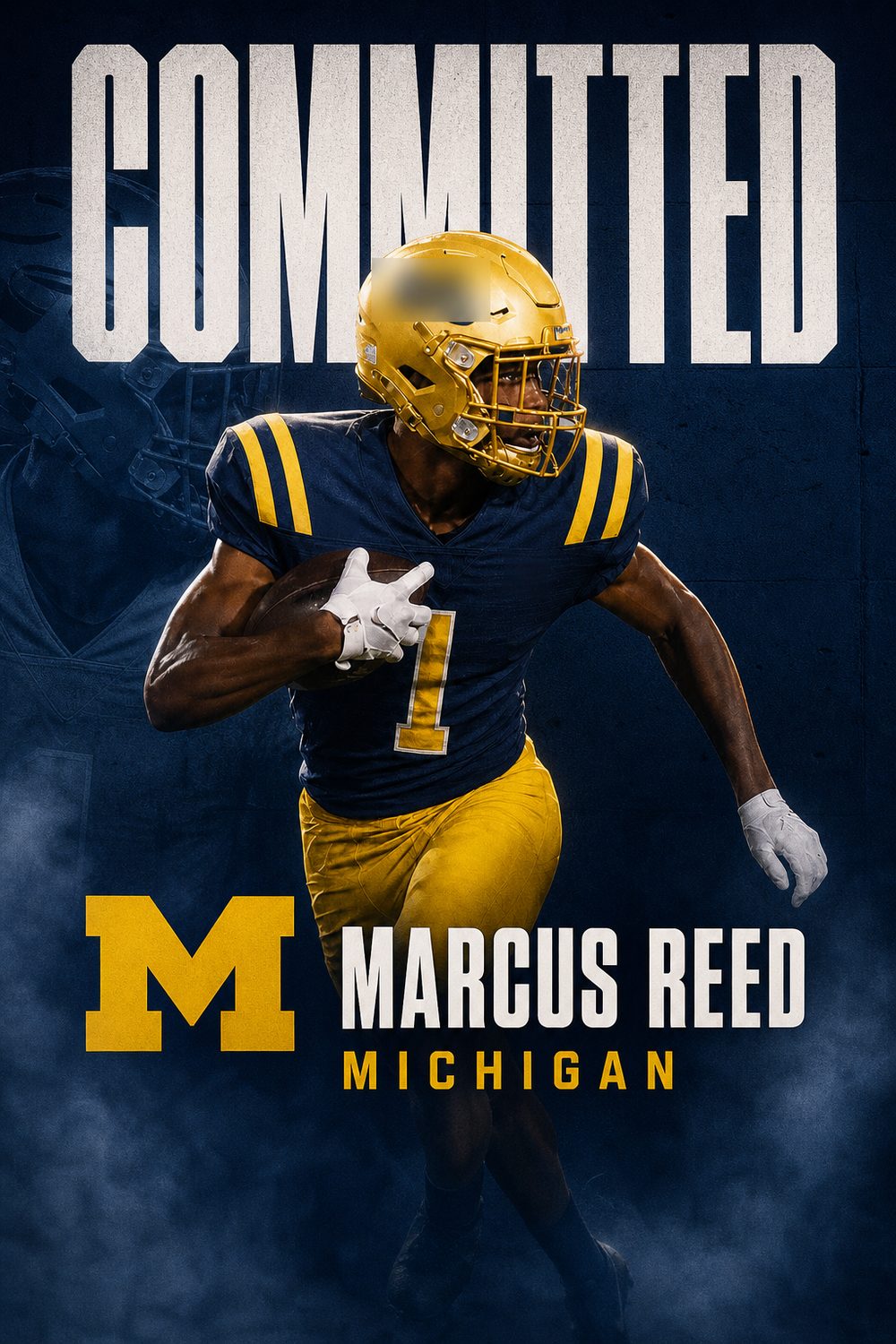
"Committing" to a college is the moment a recruit tells a program, and then the world, that they intend to play there. It is a big deal socially and a smaller deal legally than most families assume. Here is what it actually means, how it differs from signing, how the process works, and what to post at each step.
Verbal commitment: a promise, not a contract
A verbal commitment is an athlete's word to a coaching staff that they will attend and play for that school. Nothing is signed. It is not binding on the athlete or the school, and either side can walk away, which is why you will hear about "decommits" and "flips" every recruiting cycle. Coaches still take it seriously: most programs stop recruiting the position once a recruit commits, and they expect the recruit to stop taking visits elsewhere.
You can verbally commit at any point a school has made you an offer, from freshman year onward depending on the sport's contact rules. The commitment becomes public when the athlete announces it, usually with a COMMITTED graphic on social media.
Signing: the part that is binding
The commitment becomes official when the athlete signs. For Division I and II sports that is a written offer of athletic aid, signed during the sport's signing period. The NCAA retired the National Letter of Intent in 2024. Football has an early period in December and a regular period starting the first Wednesday in February; most other sports open in November with a spring window. Division III schools do not offer athletic scholarships, and Ivy League and service academies have their own processes.
Once signed, the school is committing scholarship money and the athlete is committing to enroll. Other schools must stop recruiting you. This is the SIGNED post, and it is a separate announcement from the commitment, often months later.
How to commit to a college, in order
- Have a real, committable offer. An offer from a coach with the authority to make it, for a specific class year. If you are unsure, ask the coach directly whether it is committable today.
- Decide with the people who matter. Family, your high school or club coach, and anyone helping with the process. Weigh the program, the coaching staff, academics, distance, and money, not just the logo.
- Tell the coach by phone. Call the recruiting coach and the head coach and tell them you are committing. This is the actual act of committing.
- Tell the other schools. A short, gracious call or message to each staff still recruiting you. It preserves relationships you may need again.
- Ask about announcement timing. Some programs prefer a date, especially around signing periods or class announcements.
- Announce it. Post your COMMITTED graphic and caption, tag the program's athletics account, and update your bio the same day.
What to post, and when
- When you get an offer: an OFFERED or OFFERS graphic. See what to post when you get a college offer.
- When you commit: a COMMITTED graphic. This is the post most people mean by a commitment post. Our step-by-step on announcing your commitment covers who to tell first and when to post.
- When you sign: a SIGNED graphic on signing day, usually with a photo from the ceremony. See signing day graphics.
Commitment announcement wording that works
Keep the graphic to a single word and put the sentiment in the caption. Patterns that read well:
- "After a lot of prayer and conversations with my family, I am excited to announce my commitment to continue my academic and athletic career at [School]. Thank you to every coach who believed in me."
- "Committed. Thank you to my parents, my coaches at [High School] and [Club], and the staff at [School] for this opportunity. Go [Mascot]."
- "110% committed to [School]. Grateful for everyone who got me here. This is only the beginning."
There are forty more in our commitment caption guide, including faith-based, short, and signing-day versions.
If plans change
Decommitments happen, usually because of a coaching change or a better fit. Handle it the way you handled the commitment: call the staff first, keep the public note short and respectful, and do not delete the old posts. Recruiting is a small world and coaches remember how it was handled.
When you are ready to make the graphic itself, CommitGraphics builds a COMMITTED, OFFERED or SIGNED design from one photo in your school's real colors in about a minute, or read how to make a commitment graphic for every option.
Make it official.
Which platform actually matters
Instagram is where recruiting lives. Coaches, recruiting reporters, and other athletes are all there, and reshares travel further than on any other platform. X still carries weight in football and basketball recruiting specifically, where reporters break commitments and the ecosystem is genuinely active. TikTok reaches the widest audience but is the least likely to reach college staffs.
If you only do one, do Instagram — feed post plus Story. If you do two, add X in football or basketball, and TikTok in anything else.
The carousel order that works
Lead with the commitment graphic. Follow it with one action photo, then one photo with family or your high school coach. That sequence gives the algorithm a strong first frame and gives people a reason to swipe, which increases the time spent on the post and therefore its reach.
Resist the urge to put fifteen photos in. Three to five is the range where people actually get to the end.
What to do in the first hour
Reply to comments. Early engagement determines how far a post travels, and a commitment post that gets forty replies in the first hour reaches dramatically more people than one that gets forty replies over three days. Reply to the reshares in your Story too.
Handling the schools you turned down
Message the coaches who offered you and whom you are declining before the post goes up — not after. It is a short conversation and it is the single most-respected thing a recruit can do in this process. Coaching staffs move between programs constantly, and the coach you decline this year may be recruiting your position at another school next year.
If you decommit later
It happens, and often. Coaching changes, roster changes, and better offers all cause it. If it happens, post a short and gracious note — thank the staff, do not explain in detail, and do not criticise the program publicly. Then make a new graphic when the next decision comes. Nobody in recruiting thinks less of an athlete for decommitting cleanly; plenty think less of one who does it messily.
A quick checklist
- Coaches and family told first, before anything is posted
- Program asked whether they have a preferred announcement date
- Graphic made in the school's real colours, correct class year and position
- Caption thanks first, announces second, and names the school in words
- Athletics account, high school account, and club account all tagged
- Feed post and Story posted at the same time, each sized correctly
- Bio updated the same day
- Comments answered in the first hour
Questions, answered
Is a verbal commitment binding?
No. A verbal commitment is a promise between the athlete and the program and either side can back out. It becomes binding when the athlete signs a written offer of athletic aid during the sport's signing period.
What is the difference between committing and signing?
Committing is the verbal promise, announced with a COMMITTED post. Signing is the binding paperwork on signing day, announced with a SIGNED post, often months later.
How do you commit to a college?
Make sure you have a committable offer, decide with your family and coaches, call the recruiting coach and head coach to tell them, tell the other schools, ask the program about announcement timing, then post your commitment graphic.
When can you commit to a college?
Any time after a program has made you an offer, subject to your sport's recruiting-contact rules. Many athletes commit in their junior year, but earlier and later are both common.
What should a commitment announcement say?
Thank your family, coaches and the staff that offered you, then name the school. Keep the graphic to one word — COMMITTED — and put the gratitude in the caption.