The commitment picture.
How to choose the commitment picture that makes the graphic: the shots that work, the ones to avoid, backgrounds in the school's colors, and turning the graphic into a poster.
Free guide · Updated 2026
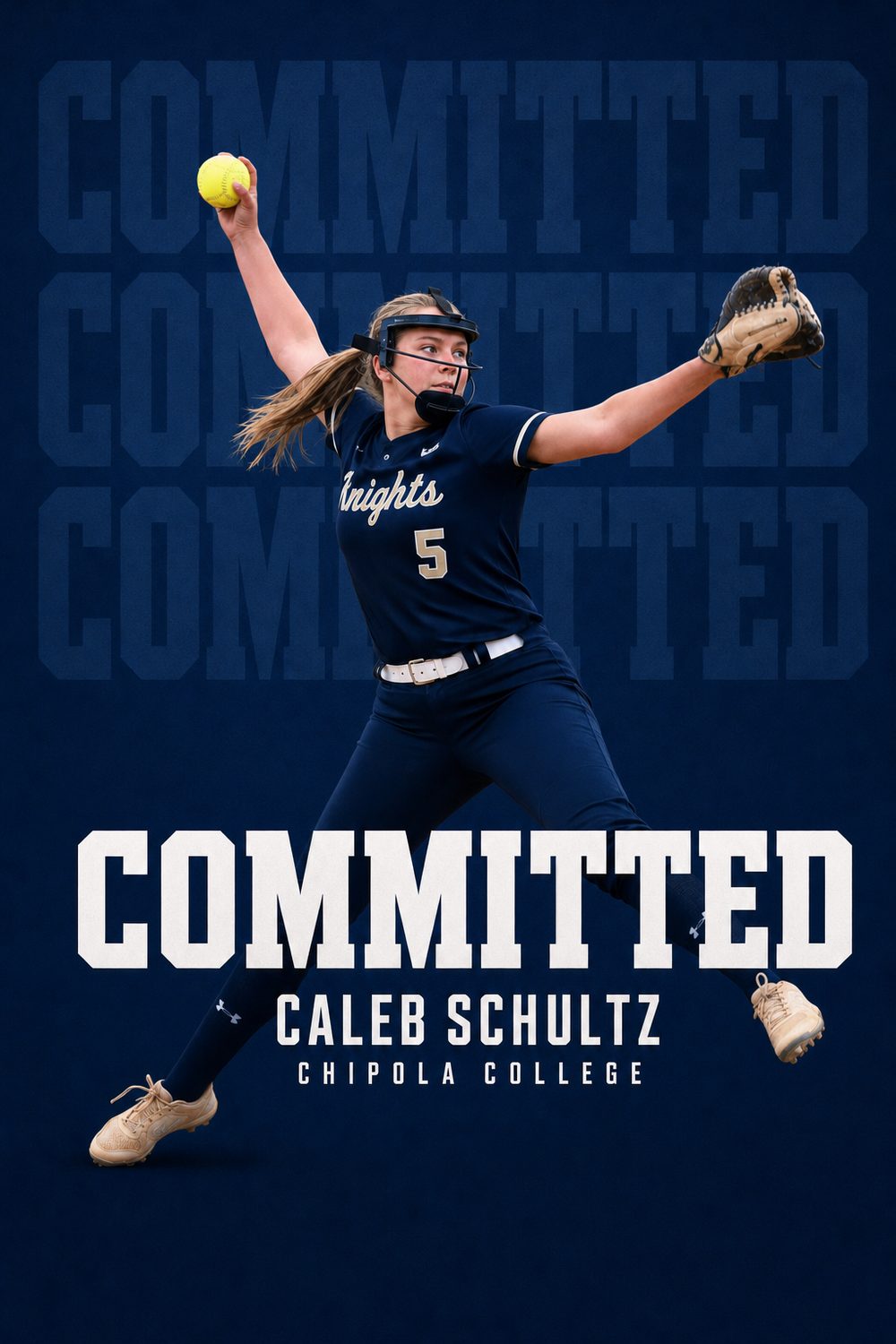
The photo decides the graphic. A great commitment picture makes even a simple layout look official; a weak one cannot be rescued by any template or designer. Here is what to shoot, what to avoid, which backgrounds work, and how the picture becomes the finished commitment graphic.
The best commitment pictures
- An action shot, mid-play. A swing, a throw, a cut, a jump. Motion reads as competence and it is what a college program's own graphics use.
- You alone, face visible. The designer or the app has to cut you out; a teammate half in frame or a helmet hiding your face makes that worse.
- Sharp, from the original file. Ask the photographer for the full-resolution export. A screenshot from a group chat is blurry the moment it is enlarged.
- Vertical or square framing with room around you. Feed graphics are 4:5; a tight horizontal crop leaves nothing to work with.
- Daylight or clean stadium light. Gym light and dusk shots go orange or muddy. If the only option is indoors, pick the frame where your jersey is brightest.
Committed photos to avoid
Posed team pictures, selfies, heavy filters, pictures with a sponsor logo across the chest, and anything where a limb or the ball is cut off at the edge. If you are stuck with one of these, a portrait-style graphic that uses the head and shoulders only is the fallback.
Commitment backgrounds that work
- The college's colors, flat. A single school-color field with the wordmark ghosted behind you. The safest choice and the one most programs' own designs use.
- A dark studio field. Charcoal or black with one accent color. Makes any photo look shot in a studio.
- Daytime venue. A real-looking field, court or track in the school's palette, athlete in front. Reads as a broadcast graphic.
- Editorial white space. Light background, giant headline behind you. Best when the photo is strong.
Avoid rendered mega-stadiums, smoke, lens flares and glowing outlines; they date the graphic instantly and read as AI-looking. If the app or designer offers them, say no.
Commitment poster vs commitment graphic
A commitment poster is the printed version: the same design at 18×24 or 24×36 for the signing-day table or a bedroom wall. Make the social graphic first, then export the square or portrait version at full resolution for print. Printers want 300 dpi; a 1080-pixel social export will look soft at poster size, so ask for the largest file available.
From picture to finished graphic
- Choose the photo using the list above.
- Decide the word: COMMITTED, OFFERED or SIGNED.
- Build it. CommitGraphics takes the photo plus your name, school, position and class year and returns two finished designs in the school's real colors in about a minute. Or follow how to make a commitment graphic for the template and designer routes.
- Post it the right way: see what a commitment post needs.
Sport-specific photo advice, including how to shoot under gym light and Friday-night lights, is on each sport page: football, basketball, baseball, softball.
Make it official.
Which platform actually matters
Instagram is where recruiting lives. Coaches, recruiting reporters, and other athletes are all there, and reshares travel further than on any other platform. X still carries weight in football and basketball recruiting specifically, where reporters break commitments and the ecosystem is genuinely active. TikTok reaches the widest audience but is the least likely to reach college staffs.
If you only do one, do Instagram — feed post plus Story. If you do two, add X in football or basketball, and TikTok in anything else.
The carousel order that works
Lead with the commitment graphic. Follow it with one action photo, then one photo with family or your high school coach. That sequence gives the algorithm a strong first frame and gives people a reason to swipe, which increases the time spent on the post and therefore its reach.
Resist the urge to put fifteen photos in. Three to five is the range where people actually get to the end.
What to do in the first hour
Reply to comments. Early engagement determines how far a post travels, and a commitment post that gets forty replies in the first hour reaches dramatically more people than one that gets forty replies over three days. Reply to the reshares in your Story too.
Handling the schools you turned down
Message the coaches who offered you and whom you are declining before the post goes up — not after. It is a short conversation and it is the single most-respected thing a recruit can do in this process. Coaching staffs move between programs constantly, and the coach you decline this year may be recruiting your position at another school next year.
If you decommit later
It happens, and often. Coaching changes, roster changes, and better offers all cause it. If it happens, post a short and gracious note — thank the staff, do not explain in detail, and do not criticise the program publicly. Then make a new graphic when the next decision comes. Nobody in recruiting thinks less of an athlete for decommitting cleanly; plenty think less of one who does it messily.
A quick checklist
- Coaches and family told first, before anything is posted
- Program asked whether they have a preferred announcement date
- Graphic made in the school's real colours, correct class year and position
- Caption thanks first, announces second, and names the school in words
- Athletics account, high school account, and club account all tagged
- Feed post and Story posted at the same time, each sized correctly
- Bio updated the same day
- Comments answered in the first hour
Questions, answered
What is the best photo for a commitment graphic?
A sharp action shot of you alone, mid-play, face visible, from the original full-resolution file, framed vertically or square with room around you, in daylight or clean stadium light.
What background should a commitment graphic have?
A flat field in the college's exact colors, a dark studio field with one accent color, or a daytime venue in the school's palette. Avoid smoke, lens flares, glowing outlines and rendered mega-stadiums.
Can I use a phone photo for my commitment picture?
Yes, if it is sharp and you are clearly the subject. Use the original file, not a screenshot, and prefer a shot taken in daylight. A phone action shot beats a professional team photo where you are one of twenty.
How do I turn a commitment graphic into a poster?
Export the largest file available and send it to a print shop at 18×24 or 24×36. Printers want 300 dpi, so ask for the full-resolution version rather than the 1080-pixel social export.